
Cacao And Ceremonial Use
A warm, healing retreat in Playa del Carmen for emotional recovery, PTSD, and addiction.
Let’s talk
Cacao And Ceremonial Use
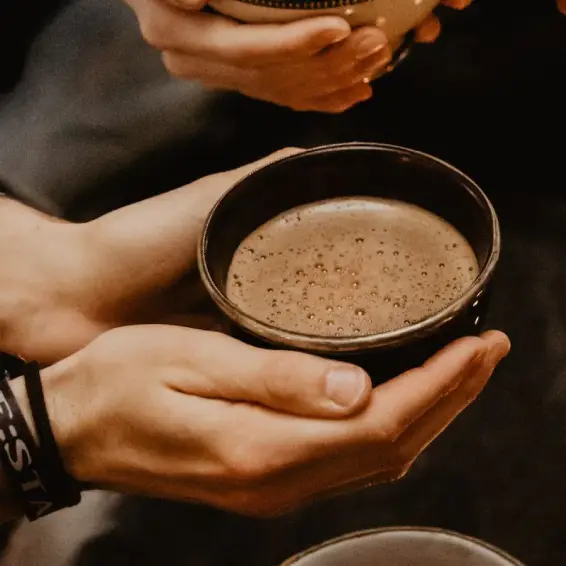
Cacao, often referred to as “the food of the gods,” has been revered for thousands of years by ancient civilizations in what is now Mexico and Central America. Cultures such as the Olmec, Maya, and Aztec held cacao as a sacred plant — used not only as food and medicine but as a powerful ritual tool. Far beyond today’s chocolate, traditional cacao was prepared as a rich, bitter drink, often combined with spices like chili and vanilla. It was consumed in sacred ceremonies to open the heart, awaken the spirit, and connect with divine forces. The Maya used cacao in rites of passage, marriage ceremonies, and offerings to the gods, while the Aztecs associated it with Quetzalcoatl, the feathered serpent deity of wisdom and fertility.
Today, ceremonial cacao is experiencing a resurgence, not just as a health-promoting superfood, but as a sacred heart medicine. High-quality ceremonial cacao is minimally processed and rich in theobromine, a gentle stimulant that enhances focus, circulation, and mood without the jittery effects of caffeine. Cacao also contains magnesium, antioxidants, and mood-elevating compounds like anandamide and phenylethylamine, often referred to as “bliss molecules.” Energetically, cacao is believed to activate the heart chakra, soften emotional defenses, and help reconnect the individual to their deeper emotional and intuitive intelligence.
Ceremonial cacao can be experienced in a ritual setting—either solo or in group ceremonies—often combined with meditation, sound healing, movement, or intention setting. As a therapy, it is not about intoxication, but gentle awakening. Participants often describe a feeling of emotional release, heart-centered awareness, and inner clarity. In this way, cacao continues to honor its ancient purpose: to balance, nourish, and open the heart—a bridge between the body and spirit, grounding and uplifting all at once.